Grieving Someone Who Never Knew You Existed: The Strange Heartbreak of Unfollowing a Creator
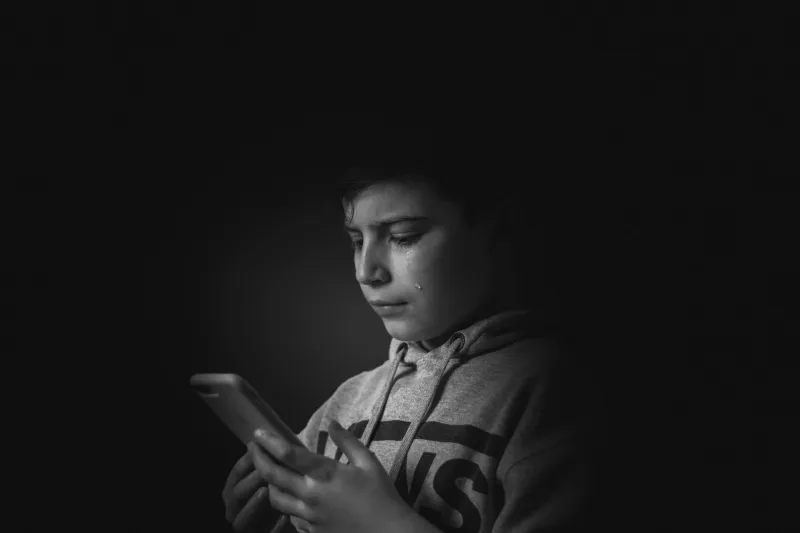
The Unfollow That Felt Like a Door Closing
You didn't fight. There was no dramatic confrontation, no final text, no tearful conversation over coffee. You just… tapped a button. Maybe you even hovered over it for a second before you did it, which honestly says everything.
Unfollowing a creator you've watched for months — or years — hits in a way that's hard to explain out loud without sounding a little unhinged. You know, logically, that they have no idea who you are. You are one username in a sea of thousands, maybe millions. And yet there's this low-key grief sitting in your chest like you just ended something real. Because in a lot of ways, you did.
Parasocial relationships — the one-sided emotional bonds we form with public figures, streamers, podcasters, YouTubers, TikTok creators — have become one of the defining social phenomena of the digital age. And the breakup side of that equation? Nobody talks about it nearly enough.
You Didn't Imagine the Connection — That's What Makes It Complicated
Here's the thing people get wrong when they dismiss parasocial attachments: they treat the feelings as fake because the relationship was one-directional. But your brain doesn't file things that way. Neuroscience has shown pretty consistently that the same social processing systems that respond to real-world relationships also activate when we engage with media figures we feel close to. Your nervous system doesn't automatically flag the difference between "friend" and "person I watch every Tuesday night."
When a creator shares their morning routine, their anxiety spirals, their relationship drama, their childhood trauma — and does it in a casual, conversational tone that feels like they're talking directly to you — your brain starts building a model of that person. Over time, that model becomes something you genuinely care about. You root for them. You worry when they go quiet. You feel proud when they hit a milestone, even though you had nothing to do with it.
So when that connection fractures — whether because they said something that crossed a line, or their content shifted in a direction you can't follow, or you just slowly realized you didn't actually like who they'd become — the loss is real. The grief is proportional to the investment, not the technical structure of the relationship.
The Three Ways It Usually Falls Apart
Parasocial breakups tend to happen in one of three ways, and each one comes with its own specific flavor of complicated.
The creator changed. This one's probably the most common. You found someone when they were scrappy and genuine and hungry — maybe they were doing bedroom vlogs, or lo-fi podcast episodes, or casual cooking videos. Then the brand deals came in, the production value went up, and somewhere along the way the person you felt like you knew got replaced by a more polished, more strategic version of themselves. You're not wrong that something shifted. But you're also grieving a version of them that may have never been fully real to begin with — which is its own kind of disorienting.
You changed. Sometimes it's not them. You grew up, or out, or sideways. The content that once felt like a lifeline now feels like background noise, or worse — like it's actively bumping against the person you're trying to become. Outgrowing a creator can feel weirdly like outgrowing a phase of yourself, and there's guilt wrapped up in that. Like you're abandoning something that helped you.
The algorithm just moved you along. Platforms are designed to keep shifting your attention. Sometimes the parasocial relationship doesn't end with a bang — it just quietly fades because the algorithm stopped serving you their content and started serving you someone new. You didn't consciously decide to move on. You just looked up one day and realized you hadn't thought about them in weeks. That version is somehow the most uncanny, because it reminds you how much of your emotional life is being quietly managed by recommendation engines.
The Guilt Is Real, and It Doesn't Make You Weird
A lot of people feel genuinely guilty about unfollowing someone, especially if that creator has talked openly about their mental health, their financial struggles, or how much their audience means to them. There's this background hum of but what if they notice? What if I'm part of the reason their numbers dipped?
That guilt is worth sitting with for a second, because it's actually evidence of how much you internalized the relationship. You felt responsible for someone who never knew your name. That's not pathetic — that's what sustained emotional investment looks like. But it's also worth recognizing that your continued engagement shouldn't come at the cost of your own experience. Watching someone because you feel obligated to isn't loyalty. It's just a slow drain.
You're allowed to leave. You're allowed to stop watching without a formal explanation, without a goodbye comment, without the closure that a real friendship would demand. That's actually one of the few low-stakes freedoms this kind of relationship offers.
What You're Actually Mourning
If you peel back the layers, the grief of a parasocial breakup often isn't really about the creator at all. It's about the version of yourself that watched them — the chapter of your life their content was the soundtrack to. Maybe you found that creator during a hard year, or a transitional one, or a lonely one. Their videos were there when not much else was. Letting go of them means acknowledging that that season is over.
That's legitimately worth mourning. Not because the relationship was mutual, but because your experience of it was real. The comfort you found was real. The laughs, the late nights, the feeling of being seen by someone who wasn't even looking at you — all of it happened inside a real human being, which is you.
Moving On Without Moving Backward
The healthiest thing you can do after a parasocial breakup is resist the urge to retroactively dismiss the whole thing as cringe or embarrassing. You don't need to rewrite the history of why you cared. You just need to let it be what it was — a connection that served a purpose, existed in a specific form, and has now run its course.
Unfollow without the drama. Let the algorithm take you somewhere new. And maybe, if you're a creator yourself, let this be a reminder of what your audience is quietly carrying every time they show up for your content. That weight is worth taking seriously.
People are out here grieving you, and you don't even know their names. That's kind of beautiful, honestly. Handle it with care.