They Feel Like They Know You — And That's the Whole Point (Even If It Isn't True)
Somewhere out there, a person is watching your fourth YouTube video in a row, nodding along like you just said exactly what they needed to hear. They feel like you get them. They feel like you're friends. They'd probably recognize your laugh before they'd recognize their neighbor's face.
And you've never once thought about them.
That's not a criticism. That's just the deal. It's the engine running underneath every successful creator career — and honestly, once you stop feeling guilty about it and start understanding it, it changes everything.
The Illusion Is the Product
Here's the uncomfortable part nobody really wants to say out loud: the version of yourself that your audience loves? It's a construction. Not a lie, necessarily. But a construction.
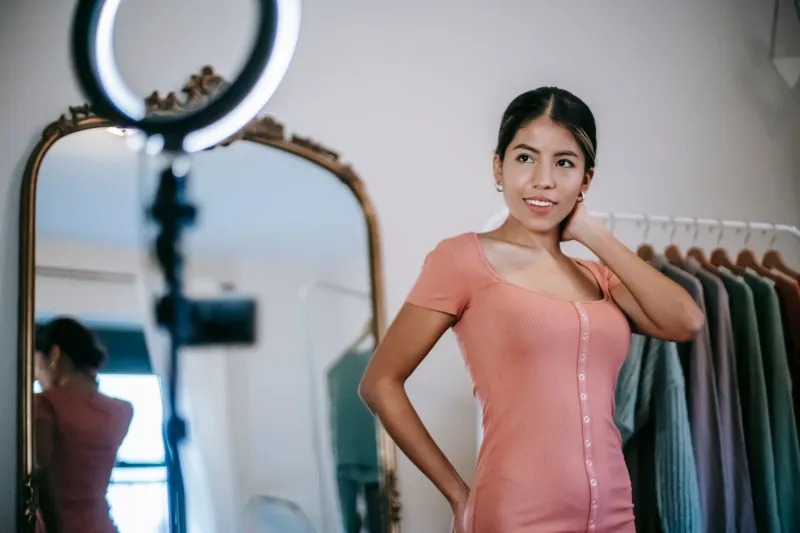
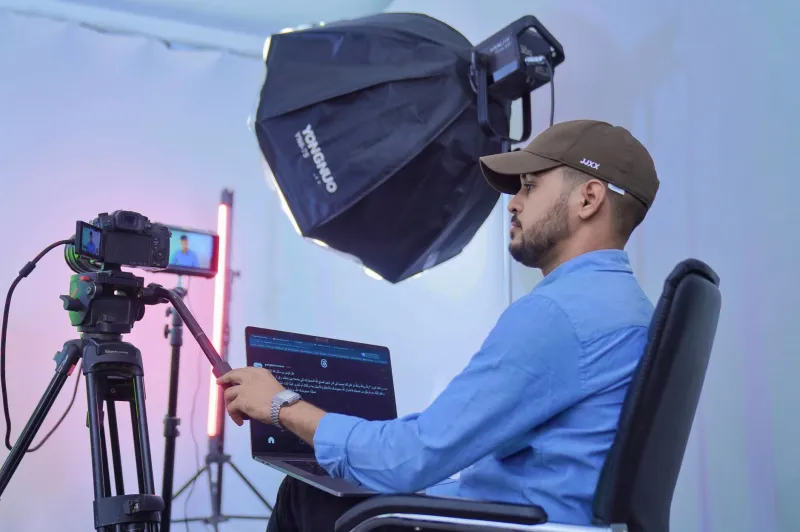
Every time you hit record, you're making choices. You're choosing what to include and what to leave out. You're choosing the lighting, the framing, the moment you pause for effect. Even the most "raw" creators — the ones filming themselves crying in their cars — are making editorial decisions. They chose to post it. They chose which take. They decided the world should see this moment and not the seventeen awkward ones before it.
That's not fake. That's just how media works. It always has.
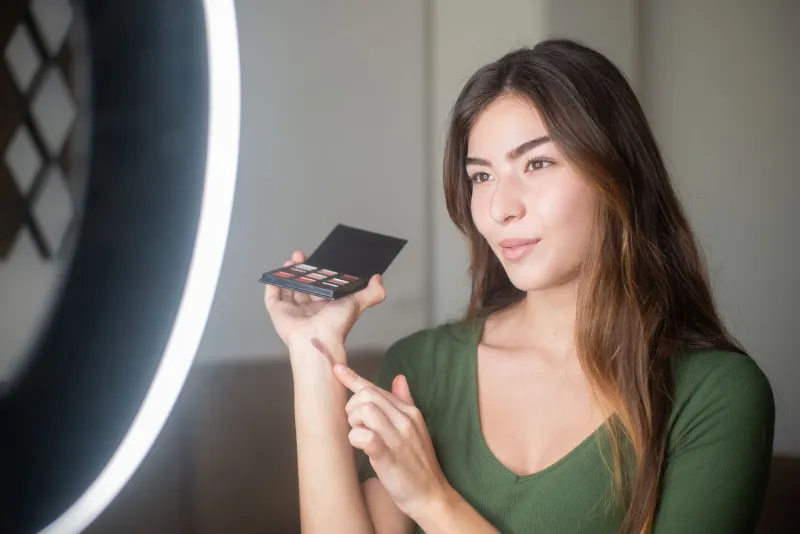
The difference now is that the format feels so intimate — your face filling someone's phone screen at 11pm while they're lying in bed — that the audience's brain processes it like a real relationship. Psychologists call it a parasocial bond. Your followers get the warmth of connection without the risk of rejection. You get reach, engagement, and revenue without having to actually show up to their birthday parties.
Everybody wins. Sort of.
Where It Gets Messy
The system starts to crack when creators forget which side of the camera they're on.
You've probably seen it happen. A creator who built their whole brand on "keeping it 100" starts to feel trapped by that promise. Every hard day becomes content. Every personal relationship gets evaluated through the lens of whether it's shareable. They stop living their life and start producing it — and eventually, the version of themselves they've been performing starts to feel more real than the person underneath.
That's a genuinely scary place to end up.
And the audience? They sense it, even if they can't name it. There's a certain desperation that creeps into content when a creator has no interior life left to protect. When everything is on the table, nothing feels special anymore. The vulnerability that once felt like a gift starts to feel like an obligation — and the audience, even while demanding more, somehow respects you less for giving it.
The Invisible Line That Keeps You Sane
Every creator who's been doing this long enough has figured out — often the hard way — that you need a version of yourself that the internet never gets to touch.
It doesn't have to be dramatic. It doesn't mean you're hiding some secret life. It just means there are rooms in your house (literally and figuratively) that the camera doesn't go into. A relationship you don't narrate. A struggle you're working through privately. A part of your personality that belongs to the people who actually know you, not the ones who feel like they do.
This isn't dishonesty. It's self-preservation. And honestly? It makes you a better creator.
When you have a private self worth protecting, you bring something to your content that audiences can feel even if they can't explain it. There's depth there. There's a sense that you exist beyond the frame. People are drawn to that. It's the difference between watching someone perform openness and actually encountering a real person.
Practical Ways to Hold the Line Without Losing the Connection
So how do you actually do this? How do you maintain that warm, genuine connection with an audience without handing over the keys to your entire inner world?
Get specific about your "no-go zones" before you need them. Decide in advance what's off-limits — certain relationships, health stuff, family dynamics, whatever feels sacred to you. Making that call in the middle of a viral moment or an emotional spiral is way harder than setting the boundary when things are calm.
Let your audience feel close through specificity, not exposure. You don't have to share your biggest secrets to make someone feel like they know you. Share your weird opinions about gas station sushi. Tell the story about the time you completely bombed a presentation. Specificity creates intimacy without sacrifice.
Redirect parasocial energy into community. Instead of being the single focal point of your audience's connection, build spaces where they connect with each other too. Discord servers, comment threads, live Q&As — when your followers have a community, they're less dependent on you to be their entire social experience. That's better for them and way less pressure on you.
Be honest about the format without breaking it. You can tell your audience "I keep some things private" without them feeling shut out. In fact, that kind of transparency — the meta-honesty about how this whole thing works — tends to build more trust, not less. It signals that you're thoughtful, not guarded.
The Real Flex Is Knowing What You're Doing
Here's the reframe that actually helps: the parasocial dynamic isn't a bug in the creator economy. It's a feature. It's what makes the whole thing work.
Your audience doesn't need to know the real you in order to genuinely benefit from what you create. They can grow from your advice, laugh at your jokes, feel less alone because of your stories — and none of that requires them to have your phone number. The connection is real even if the relationship isn't.
The creators who burn out are usually the ones who feel like the parasocial bond is a debt they owe — like they have to keep paying it back with more access, more vulnerability, more of themselves. It isn't. You built something valuable. You showed up and made something that matters to people. That's the whole job.
You're allowed to clock out.
You're allowed to have a life that doesn't get a thumbnail.
And weirdly, the more you protect that life, the better your content gets — because there's still someone home making it.