The More They Love You, the Faster You Break

Here's a scenario that sounds like success on paper: you've built an audience that genuinely cares about you. They show up for every post, they tag their friends, they DM you saying your content changed their life. By every metric that matters in the creator economy, you're winning.
So why does it feel like you're drowning?
This is the quiet contradiction that's eating away at an entire generation of digital creators — the idea that audience love, in large enough quantities, can start to function less like fuel and more like pressure. The more people who depend on your realness, your relatability, your you-ness, the less room there is to actually be a person underneath all of it.
When Authenticity Becomes a Job Description
The creator economy was supposed to democratize fame. No gatekeepers, no studios, no suits deciding who gets a platform. Just you, a camera, and a direct line to an audience that connects with your specific kind of weird or wise or wonderful.
But somewhere along the way, "authentic content" stopped being a vibe and started being a deliverable.
Audiences — especially loyal ones — develop expectations. Not in a malicious way. They just get used to a certain version of you. The one who cries on camera when things get hard. The one who shares the messy apartment, the bad mental health days, the relationship drama in real time. They fell in love with your openness, and now that openness has a publishing schedule.
Creators talk about this all the time in private, and increasingly in public. The moment you monetize your vulnerability — through sponsorships, Patreon tiers, brand deals tied to your "honest" persona — you've essentially signed a contract that says my pain is a product. And products need to keep shipping.
The Parasocial Pressure Cooker
Parasocial relationships aren't inherently bad. The feeling of knowing a creator, of genuinely rooting for them, can be meaningful and even comforting. But from the creator's side of that dynamic, it can feel suffocating in ways that are hard to explain without sounding ungrateful.
Your audience knows your dog's name, your mom's health struggles, the city you grew up in, the ex who broke your heart two years ago. They feel close to you. And because they feel close, they notice when something's off. They notice when you seem distant, when your energy is different, when you haven't posted in a few days.
That noticing — even when it comes from a place of genuine care — creates a feedback loop of accountability that most nine-to-five workers never have to deal with. Your emotional availability isn't just appreciated. It's expected. And when you pull back, even slightly, the comments start: Are you okay? You seem off lately. I miss the old you.
That kind of love is heavy. Even when it's real.
The Burnout Nobody Talks About Publicly (Until They Quit)
Creator burnout has a specific texture that's different from regular workplace exhaustion. It's not just that you're tired of making content. It's that you've started to feel like the content is you — and you're tired of being yourself.
The irony is that the creators most likely to burn out are often the most successful ones. The ones who built their platforms on genuine connection, who never learned to fake it, who gave real pieces of themselves for years. When they finally hit a wall, there's no performance left to hide behind. The breakdown and the brand collapse at the same time.
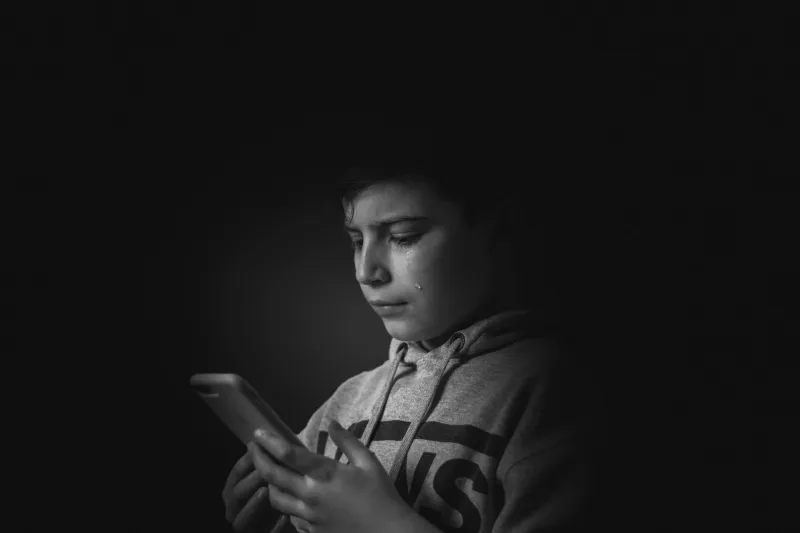
We've watched it happen publicly, repeatedly. Creators go quiet for weeks, then return with a tearful video explaining that they "needed a break." The comments flood in with support, which is beautiful — but also immediately starts the clock on the next content cycle. The breakdown becomes the content. The recovery becomes the content. There's no exit ramp.
Setting Limits Without Losing Your People
Here's the part that actually matters if you're a creator reading this while running on caffeine and cortisol: you can draw lines without losing your audience. In fact, you might strengthen it.
Name the boundary before you need it. Don't wait until you're in crisis to tell your audience that some parts of your life are private. Build that expectation early and frame it as self-respect, not secrecy. Most people respond well to a creator who says, "I share a lot with you, but this part is just for me."
Separate your identity from your output. You are not your upload schedule. You are not your engagement rate. Practicing this in small ways — taking a day off, posting something low-effort without an apology — trains both you and your audience to understand that your worth isn't tied to your productivity.
Let some things be boring. Not everything needs to be a moment. Not every hard week needs to become a confessional video. Give yourself permission to live experiences without immediately processing them for content. The best creators aren't the ones who share everything — they're the ones who've figured out what not to share.
Build off-platform support. Therapy, peer groups, friends who knew you before the following — these aren't luxuries. They're infrastructure. Having people in your life who relate to you as a human being rather than a brand is the single most protective factor against burnout.
The Audience That Actually Sticks Around
Here's something worth sitting with: the fans who leave when you set a boundary weren't really there for you. They were there for the version of you that was available 24/7, emotionally exposed and always producing. That's not a relationship — that's a subscription.
The audience worth building — the one that sustains a long career — is made up of people who respect that you're a whole person. They don't need you to bleed on camera to feel connected. They show up because they like how you think, how you see the world, what you make when you're actually okay.
Love from an audience should feel like wind at your back, not a weight on your chest.
If it's starting to feel like the latter, that's not ingratitude. That's a signal. And the boldest, realest thing you can do — for yourself and for the people who genuinely care about you — is actually listen to it.