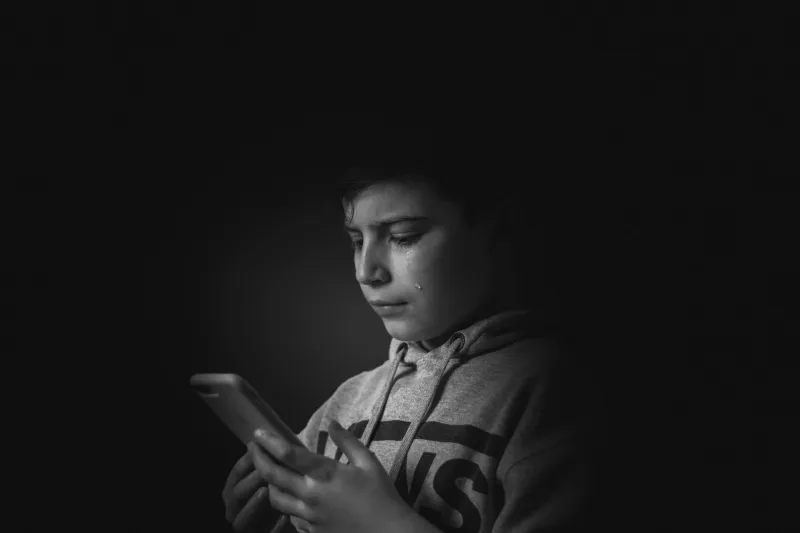
Sorry, Not Sorry: The Creator Apology Playbook Is Broken and Everyone Knows It
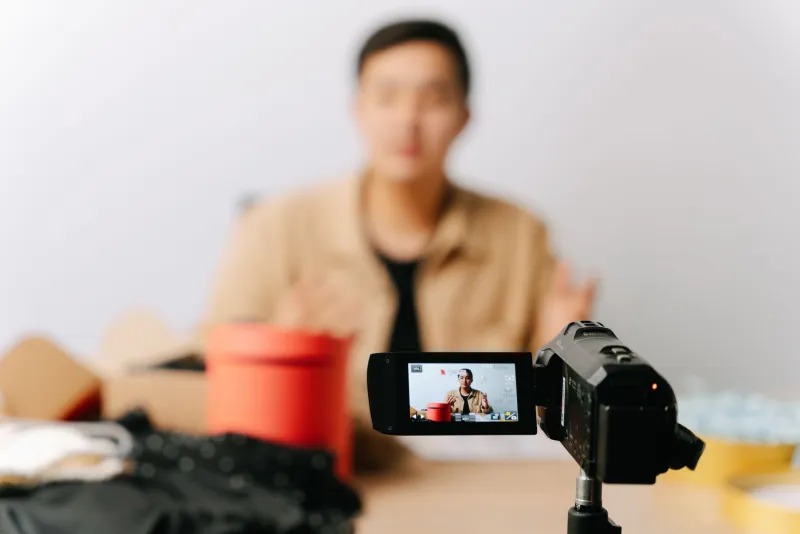
At this point, we've all seen it so many times we could write the script ourselves. The ring light is dimmed just enough to look casual. The creator is sitting slightly forward, elbows on knees, looking into the camera like they're confessing to a priest. No music. No B-roll. Just them and their "truth."
And somewhere in the comments, someone types: I've seen this before.
They have. We all have. The creator apology video has quietly become one of the most recognizable — and most distrusted — content formats on the internet. And the fact that it keeps getting recycled, with the same cadence and the same emotional beats, says a lot about what the creator economy has accidentally built: a machine that produces accountability theater instead of actual accountability.
The Formula Is the Problem
Here's the thing about apology videos — they started with good intentions. When creators first began making them, there was something genuinely raw about a person talking directly to their audience after messing up. No publicist statement. No carefully worded tweet from a management team. Just a human being saying, I got this wrong.
But somewhere along the way, that rawness got reverse-engineered. PR teams started consulting on them. Timing strategies emerged — drop it on a Friday afternoon, let the weekend absorb the outrage. Avoid saying the actual thing you did wrong too specifically. Lead with "I've been doing a lot of reflecting" and close with "I'm committed to doing better." Sprinkle in some tears if you've got them.
Now the format is so codified that audiences clock the manipulation in real time. Reddit threads dissect the lighting choices. Twitter (sorry, X) breaks down the word choices for evidence of deflection. YouTube comment sections become courtrooms. And the creator? They're usually back to posting sponsored content within two weeks.
The formula didn't just dilute the apology. It killed it.
Why Audiences Keep Showing Up Anyway
Here's what's wild though — even knowing it's theater, people still watch. Apology videos rack up millions of views. They trend. They generate reaction content, which generates more reaction content, which keeps the whole cycle profitable.
And that's the uncomfortable truth nobody wants to say out loud: the cancelation-and-comeback cycle isn't just tolerated by the creator economy. In a lot of ways, it's rewarded by it.
Controversy drives traffic. Traffic drives ad revenue. A creator who gets canceled, disappears for 30 to 90 days, and returns with a vulnerable video often comes back bigger than before. The algorithm doesn't really distinguish between engagement born from love and engagement born from drama — it just sees the numbers.
So when we ask why creators keep making the same mistakes, part of the answer is genuinely uncomfortable: because the consequences aren't actually that bad. For a lot of them, the math works out fine.
The Audience Fatigue Is Real
But something is shifting. Slowly, messily, but it's shifting.
There's a growing segment of internet culture — especially among younger audiences — that has stopped engaging with the apology cycle entirely. Not out of cruelty, but out of exhaustion. The emotional labor of caring, then being disappointed, then watching someone perform remorse, then deciding whether to forgive them... it's a lot. And people are quietly opting out.
You see it in the comments that say things like I don't even have the energy for this anymore. You see it in the creators who lose followers not because of the scandal itself, but because of how hollow the response felt. You see it in the audiences who don't send hate — they just leave. Silently. Which, in the creator economy, might actually be the harsher punishment.
Fatigue is doing what outrage never could: making people genuinely indifferent.
What Actual Accountability Could Look Like
This is the part where it gets complicated, because real accountability in a public-facing creative career is genuinely hard to define. Creators aren't politicians. They don't have constituents. They don't pass laws. The stakes are different.
But that doesn't mean the bar should be a well-lit video and a two-week break.
Some creators have started experimenting with different approaches — and when they work, they work because they break the formula. Acknowledging harm in a specific, non-vague way. Actually changing behavior in a visible, sustained way, not just promising to. Donating to causes connected to the harm caused, not as a PR move but as a material acknowledgment. Or, in some cases, just... stepping back for longer. Not returning until there's actually something different to return with.
None of that is glamorous. None of it goes viral in the same way. But it lands differently. It feels different. And audiences — even the most skeptical ones — tend to notice.
The Creator's Dilemma
There's something genuinely worth acknowledging here, which is that creators are navigating a situation that has no real rulebook. They built their careers on being personal, being present, being accessible. Their audience feels close to them in a way that's unique to this medium. So when they mess up, the fallout is personal too — on both sides.
The pressure to respond publicly is real. The pressure to respond correctly is even more intense. And the fear of saying the wrong thing, or not saying enough, or saying too much, can push people toward the safe, sanitized formula even when they genuinely want to do better.
That's not an excuse. But it's context worth holding.
The issue isn't that creators are uniquely bad at being accountable. The issue is that the ecosystem they operate in has built a structure around apology that prioritizes performance over process. And until that changes — until the incentives shift, until audiences reward slower, messier, more genuine responses over slick redemption arcs — the cycle is probably going to keep running.
So What Do We Actually Do With This?
Honestly? Maybe the most useful thing any of us can do is stop treating the apology video as the endpoint.
For creators: the video isn't the accountability. It's, at best, the beginning of it. What comes after — how you show up, what actually changes, whether the people you hurt are made whole in any real way — that's the part that matters.
For audiences: it's okay to reserve judgment. It's okay to wait and see. You don't owe anyone immediate forgiveness, and you don't owe anyone immediate cancellation either. Letting something sit before you decide how you feel about it isn't weakness. It's just... being a thoughtful person on the internet, which is harder than it sounds.
The apology industrial complex is broken. That much seems clear. But broken systems don't fix themselves — they get replaced when enough people stop finding them useful.
We might be getting close to that point. And honestly? It's about time.